Modern life moves at a blistering pace. Between juggling professional deadlines, managing household chores, and maintaining a social life, the human brain often reaches its capacity limit. It is entirely normal for important details to slip through the cracks—a missed dentist appointment here, a forgotten anniversary there. These memory lapses aren’t signs of incompetence; they are symptoms of a world overflowing with information. The ability to Add Reminders notifications to one’s workflow is no longer just a helpful trick; it is a necessary survival skill for navigating the twenty-first century.
Mastering the art of digital prompts can transform a chaotic schedule into a well-oiled machine. By offloading the mental burden of “remembering” to reliable devices, individuals free up cognitive space for creativity and problem-solving. This guide explores the nuances of setting effective alerts, exploring everything from basic phone alarms to complex video-based prompts. Readers will walk away with a robust system that ensures nothing important is ever left undone. At the end of this exploration, a comprehensive checklist will be available to help anyone streamline their personal planning strategy.
Understanding the Importance of Reminders
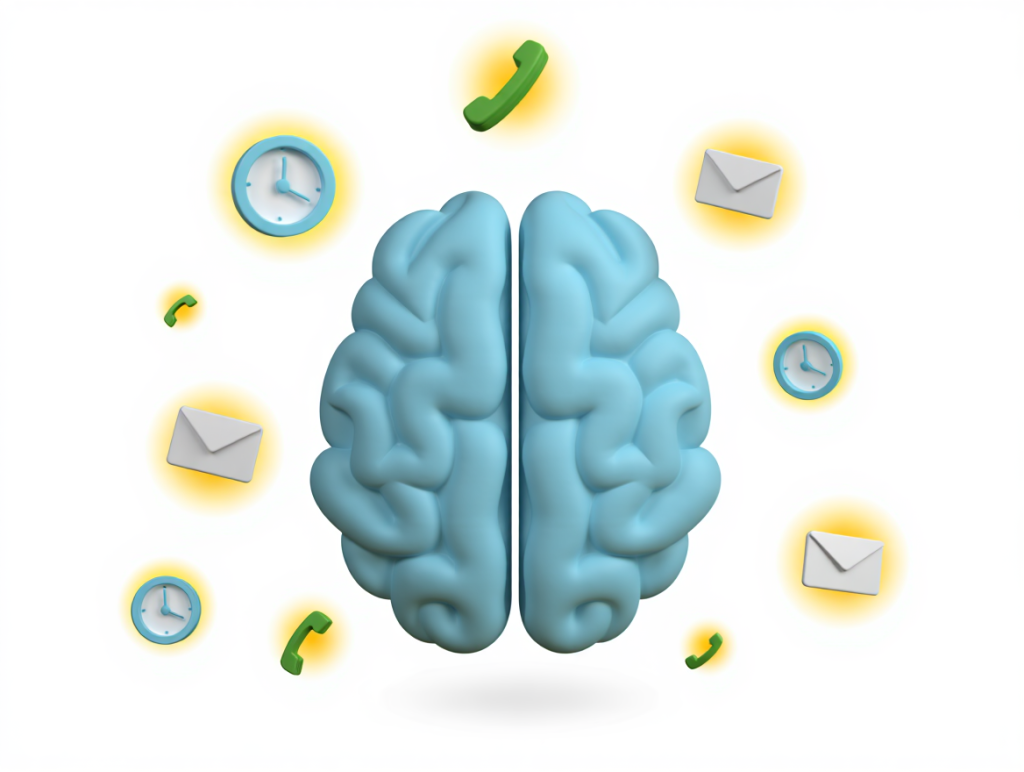
The brain is an impressive processor, but it is not a perfect storage device for trivial, time-sensitive data. When someone relies solely on memory, they create “cognitive load”—a mental weight that drains energy. Understanding why external cues matter is the first step toward reclaiming mental clarity.
Why Use Reminders in Daily Life
Psychologically, the act of trying to remember a future task creates a phenomenon known as an “open loop.” These open loops run in the background of the mind, subtly consuming attention. When a person decides to Add Reminders alerts for these tasks, they close the loop. The brain realizes it can stop actively worrying about the pending action because an external system has taken over. This shift reduces anxiety and increases focus on the present moment.
Furthermore, relying on digital aids prevents the “recency effect” bias, where people tend to remember only the most recent information presented to them. A digital system treats a meeting scheduled three weeks ago with the same importance as one scheduled five minutes ago. It levels the playing field for all obligations.
Benefits of Digital Reminders over Traditional Methods
Sticky notes have a nostalgic charm, but they lack the proactive nature of digital tools. A sticky note requires the user to look at it; a digital notification demands the user’s attention.
- Active vs. Passive: Paper is passive. A phone vibration is active.
- Context Awareness: Digital tools can trigger based on location (e.g., arriving at the grocery store), whereas paper stays on the fridge.
- Recursion: Writing “Pay Rent” every month is tedious. Digital tools handle recurring entries effortlessly.
Common Scenarios Where Reminders are Essential
Different aspects of life require different notification strategies. In the professional realm, alerts ensure that preparation for a meeting starts thirty minutes before the call, not when the call begins. In personal health, they are vital for medication adherence. Financial stability often hinges on a simple ping that says “Credit Card Bill Due.” Even social connections benefit; remembering a friend’s birthday because of a digital nudge counts just as much as remembering it naturally.
Research on digital memory aids shows that offloading tasks to smartphone reminders can measurably improve how reliably people follow through on their intentions. For example, a randomized controlled trial in the Journal of the American Geriatrics Society found that older adults with mild cognitive impairment or mild dementia who were trained to use a smartphone reminder app showed significant gains in prospective memory performance and everyday independence compared with a comparison group (2021, Baylor University & Baylor Scott & White Health, link: https://agsjournals.onlinelibrary.wiley.com/doi/10.1111/jgs.17551).
How to Set a Reminder on My Phone
For most people, the smartphone is the command center of their life. It is the device always within arm’s reach, making it the most logical place to manage alerts. Whether using Android or iOS, the core functionality remains similar, though the pathways differ.
Step-by-Step Guide for Android Devices
Android users have a plethora of options, but the Google Assistant and the built-in Clock app are the primary drivers. The flexibility of Android allows users to set a reminder on my phone using widgets, voice, or deep menu navigation.
Instructions for Google App:
- Open the Google App or use the Widget: The user should locate the Google search bar or the dedicated Google app icon.
- Tap the Microphone or Profile Icon: They can either tap the mic to speak or tap their profile picture, then select “Tasks” (or the relevant notification setting in newer updates).
- Input the Details: Enter the task name (e.g., “Buy Milk”).
- Set the Trigger: Choose a time or a location.
- Confirm: Tap “Save.”
Using the Clock App on Android
Sometimes, a simple alarm serves as a brute-force memory aid.
- Open the “Clock” app.
- Navigate to the “Alarm” tab.
- Select the “+” symbol to create a new entry.
- Label the alarm with the task name. This ensures that when the noise starts, the user knows exactly why.
Setting Reminders on IOS Devices
Apple’s ecosystem is tightly integrated. When an iPhone user needs to set a reminder on my phone, they primarily utilize the dedicated “Reminders” app. This app is more than a list; it is a powerful productivity suite.
The Workflow:
- The user opens the “Reminders” app.
- They tap “+ New Reminder” in the bottom left corner.
- They type the title of the to-do item.
- By tapping the “i” info button, they can Add Reminders details such as priority levels, sub-tasks, and images.
Using Voice Assistants to Add Reminders
Voice technology has revolutionized how people interact with their schedules. It eliminates the friction of typing. A user simply says, “Hey Google, set a reminder on my phone to call Mom at 5 PM,” or “Hey Siri, set a reminder on my phone for laundry.”
These assistants are smart enough to understand context. If a user is viewing a webpage and says, “Remind me of this,” the assistant can link the specific URL to the notification. This hands-free capability is crucial for adding tasks while driving or cooking. The ability to Add Reminders via voice is the fastest way to capture a thought before it vanishes.
If you learn best by watching someone else do it, a short walkthrough can make voice commands feel much more natural. The videos below show how to create, manage, and customize reminders entirely with your voice, so you can capture tasks hands-free while driving, cooking, or walking.
Create a “Capture Habit”: Whenever a thought enters the mind, immediately dictate it to the phone. Do not wait for a “better time” to type it out.
Adding Reminders to Your Calendar
While phone notifications are great for immediate tasks, calendars are the backbone of long-term planning. To add reminder calendar entries is to commit to a future action. It visualizes time, showing not just what needs to be done, but when it fits into the day.
Integrating Reminders with Google Calendar
Google Calendar blurs the line between events and tasks. Users can create specific “Tasks” that differ from standard “Events.” The key distinction is that a task travels with the user to the next day if it isn’t marked as done, whereas an event simply passes.
How to Execute:
- Open the Google Calendar app.
- Tap the multi-colored “+” button.
- Select “Task” or “Goal” (depending on the version).
- Type the obligation.
- Choose the date and time.
- Set the recurrence if necessary (e.g., “Every month on the 5th”).
By learning to add reminder calendar slots effectively, the user prevents double-booking. They can see that they cannot buy groceries at 6 PM because they have a gym class scheduled at that exact block.
Using Apple Calendar for Reminders
Apple keeps its Calendar and Reminders apps separate but connected. However, users can still view scheduled to-dos alongside their events if they configure their settings correctly. When they add reminder calendar alerts on a Mac or iPhone, it usually involves setting an alert within a calendar event.
- Create an Event (e.g., “Doctor’s Appointment”).
- Scroll down to “Alert.”
- Set the alert for “1 day before” or “2 hours before.”
- This functions as a notification attached to a hard landscape event.
Third-Party Apps for Calendar Reminders
For power users, native apps might feel limiting. Tools like Todoist, TickTick, and Microsoft Outlook offer robust ways to add reminder calendar integrations. These apps often support “natural language processing.” A user can type “Meeting next Friday at 2pm #work” and the app automatically parses the time, date, and project category.
Leveraging SharePoint for Team Reminders
In the corporate world, Microsoft SharePoint is often the hub for documentation and scheduling. Teams can utilize SharePoint lists to ensure critical project milestones aren’t missed. By using the “Alert Me” feature on a document library or list, users receive notifications whenever an item changes. More importantly, you can overlay a SharePoint calendar onto Outlook. This allows a project manager to add reminder calendar events in the team site that automatically populate on every team member’s personal Outlook view. This synchronization is vital for enterprise-level coordination, ensuring that when the team needs to add reminder calendar deadlines, everyone sees the same target date.
Comparison of Popular Calendar Notification Tools
| Feature | Google Calendar | Apple Calendar | Todoist | SharePoint |
| Primary Function | Time Blocking & Events | Event Scheduling | Task Management | Team Collaboration |
| Rollover Tasks | Yes (via Tasks) | No | Yes | No (Calendar Based) |
| Natural Language | Moderate | Basic | Advanced | Basic |
| Platform | Cross-platform | Apple Ecosystem Best | Cross-platform | Web/Enterprise |
| Cost | Free | Free | Freemium | Business License |
This comparison highlights that while Google and Apple are sufficient for basics, dedicated task managers like Todoist or enterprise tools like SharePoint excel for users who need to add reminder calendar systems with high complexity.
Creating Video Reminders
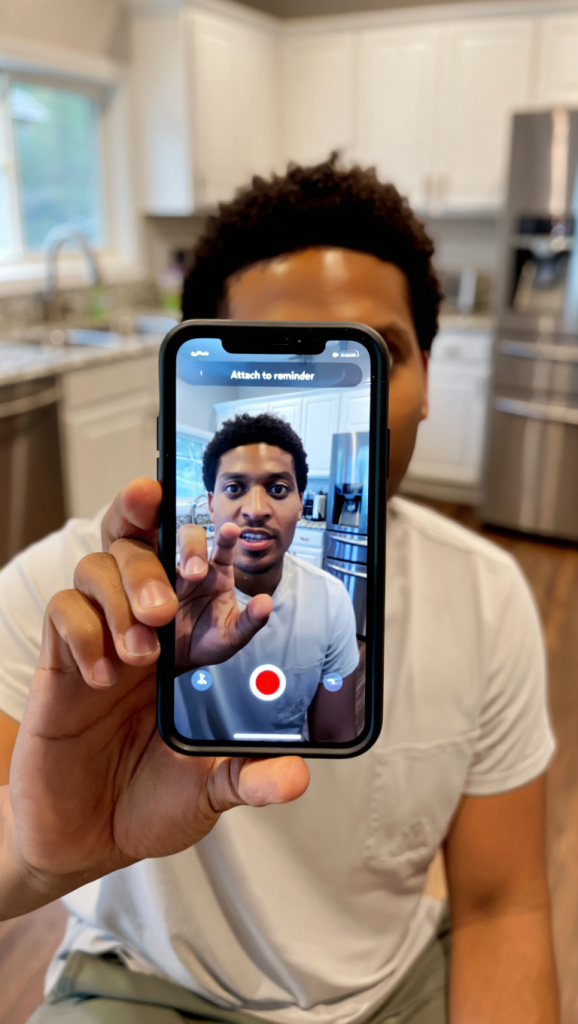
Text is efficient, but video is emotional and descriptive. Sometimes, a few words aren’t enough to convey the nuance of a task. This is where the ability to add reminder video files becomes a game-changer.
Why Use Video for Reminders
Visual information is processed 60,000 times faster than text. A user might set a text note saying “Fix the sink,” but six months later, they might forget how they intended to fix it. If they add reminder video instructions—perhaps a quick clip of the specific leak or a tutorial they found—the context is preserved instantly. Video is also excellent for sentimental prompts, such as a message to one’s future self.
Tools for Creating Video Reminders
Several platforms allow users to add reminder video content.
- Native Camera + Reminders App: On iOS, a user can take a video and attach it to a standard task.
- Keep Notes (Google): Allows adding visual attachments to notes which can then have time-based alerts.
- Specialized Apps: Apps like Capsicum or dedicated video diary tools allow for future video delivery. This makes it easy to Add Reminders that are visually engaging.
Best Practices for Effective Video Reminders
When a user decides to add reminder video clips, brevity is key. A ten-minute video is too long to watch when the notification pops up.
Steps for a Great Video Memo:
- Start with the “Why”: Immediately state what the task is.
- Show, Don’t Just Tell: Point the camera at the object or document in question.
- Keep it under 30 seconds: This ensures the future self will actually watch it.
- Label clearly: Even media files need a text title for searchability.
To see what visual, media-rich planning looks like in practice, it helps to watch someone build a system from scratch. This overview of daily planning apps for visual thinkers walks through tools that let you organize tasks, notes, and rich media on boards and canvases so your reminders are easier to see and act on at a glance.
Never rely solely on the video file itself; always include a brief text summary in the title line so the content is searchable without watching the clip.
Tips and Tricks for Effective Reminder Management
Creating a notification is easy; managing a thousand of them is hard. Without a strategy, a phone becomes a slot machine of constant, anxiety-inducing buzzes.
Prioritizing and Categorizing Reminders
Not all beeps are created equal. Users must categorize their alerts. The “Urgent vs. Important” matrix is a useful framework here.
- Immediate Action: These need loud sounds and persistent banners (e.g., “Pick up kids”).
- Low Priority: These can be silent nudges that populate a list for later review (e.g., “Watch that new movie”).
When users set a reminder on my phone, they should utilize color-coding. Red for urgent, blue for work, green for personal. This visual shorthand allows the brain to process the list faster. You can also use distinct icons to add reminder calendar visuals that pop out at a glance.
Avoiding Overwhelm with Too Many Reminders
“Alert fatigue” occurs when a user is bombarded by so many pings that they start ignoring them all. To combat this, one should group tasks. Instead of five separate entries to “Water plant A,” “Water plant B,” etc., use one prompt: “Water all plants.”
Consolidating the effort to Add Reminders entries reduces the daily buzz count. Additionally, users should be ruthless about deleting obsolete prompts. A note to “Call Steve” from three weeks ago that is no longer relevant is just digital clutter. If you constantly set a reminder on my phone for things you ignore, the system is broken.
Reviewing and Adjusting Your Reminder System Regularly
A system that isn’t maintained will eventually break. A weekly review is essential.
The Weekly Review Checklist:
- Clear Completed Items: Archive finished tasks to clean the view.
- Reschedule: Move overdue items to realistic future dates.
- Audit Recurring Tasks: Is that daily ping to “Check stocks” actually useful, or is it just noise? If it’s noise, delete it.
- Check Sync: Ensure the add reminder calendar actions taken on the laptop are showing up on the phone.
- Verify Media: Ensure any add reminder video links are still active and not broken.
Productivity consultant David Allen, creator of the Getting Things Done® methodology, summarizes this idea in a single line (2014, David Allen Company, link: https://downloads.buffiniandcompany.com/documents/resources/David_Allen_GTD_Handout_LTR.pdf):
“Your mind is for having ideas, not holding them.”
Troubleshooting Common Reminder Issues
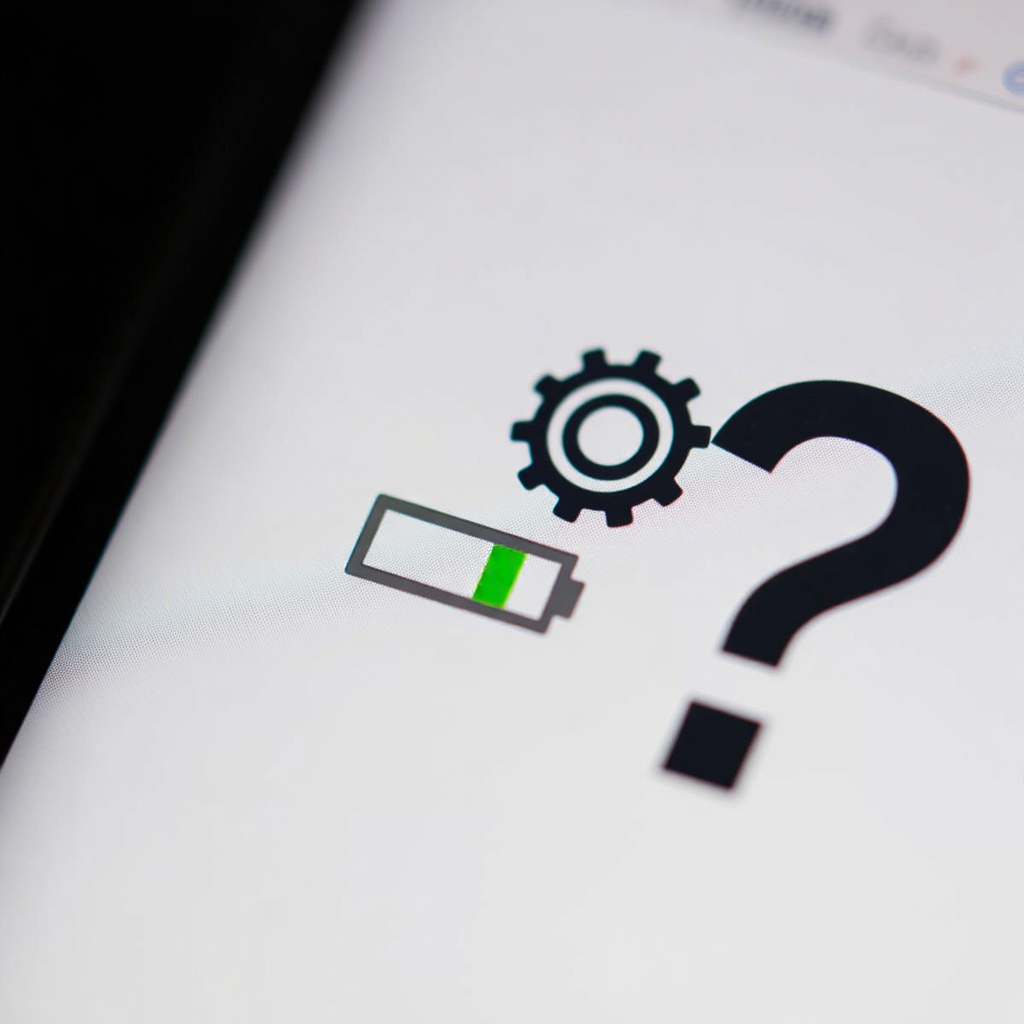
Technology is not infallible. There are few things more frustrating than realizing a crucial alert never sounded. When the command to set a reminder on my phone fails, it is usually due to settings rather than software bugs.
What to Do When Reminders Don’t Go Off
The most common culprit is battery optimization. Modern smartphones are aggressive about saving power, often killing background apps that are supposed to trigger alerts.
- Android: Users must go to Settings > Battery > Battery Optimization and ensure their planning app is set to “Don’t Optimize.”
- iOS: Check the “Mute” switch on the side of the phone. Even if the volume is up, system alerts might be silenced. Also, verify that “Focus Mode” or “Do Not Disturb” wasn’t active during the scheduled time you tried to Add Reminders alerts.
Syncing Issues Across Multiple Devices
When a user tries to add reminder calendar events on a desktop, they expect them on their tablet. If this fails:
- Check Internet Connection: Syncing requires data.
- Verify Account Matches: It is common to accidentally Add Reminders tasks to a “Local” account instead of the “Cloud” account (e.g., “On My iPhone” vs. “iCloud”).
- Force Refresh: distinct “pull-down” gestures in apps force a server check.
Managing Notifications and Alerts Effectively
If notifications appear but disappear too quickly, the “Banner Style” settings need adjustment. Users should change alerts from “Temporary” (disappear automatically) to “Persistent” (stay on screen until clicked). This ensures that if they add reminder video or text, it remains visible until acknowledged. If you struggle to set a reminder on my phone that sticks, this setting is likely the fix.
Treat a missed alert like a missed meeting: investigate why it happened immediately to prevent it from happening again. Do not simply dismiss the error.
Advanced Features and Customization
Once the basics are mastered, users can unlock the full potential of their devices. Advanced features transform a phone from a simple alarm clock into a personal assistant.
Customizing Reminder Alerts and Notifications
Auditory cues trigger memory. Using the default “ding” for everything breeds complacency. Users should assign specific sounds to specific categories.
- Financial: Use a cash register sound or distinct chime.
- Health: Use a softer, gentler tone.
- Urgent: Use a jarring alarm.
When they set a reminder on my phone with these custom sounds, they know the context of the alert before they even look at the screen. You can also add reminder video links that autoplay sound on some platforms for maximum attention.
Using Location-Based Reminders
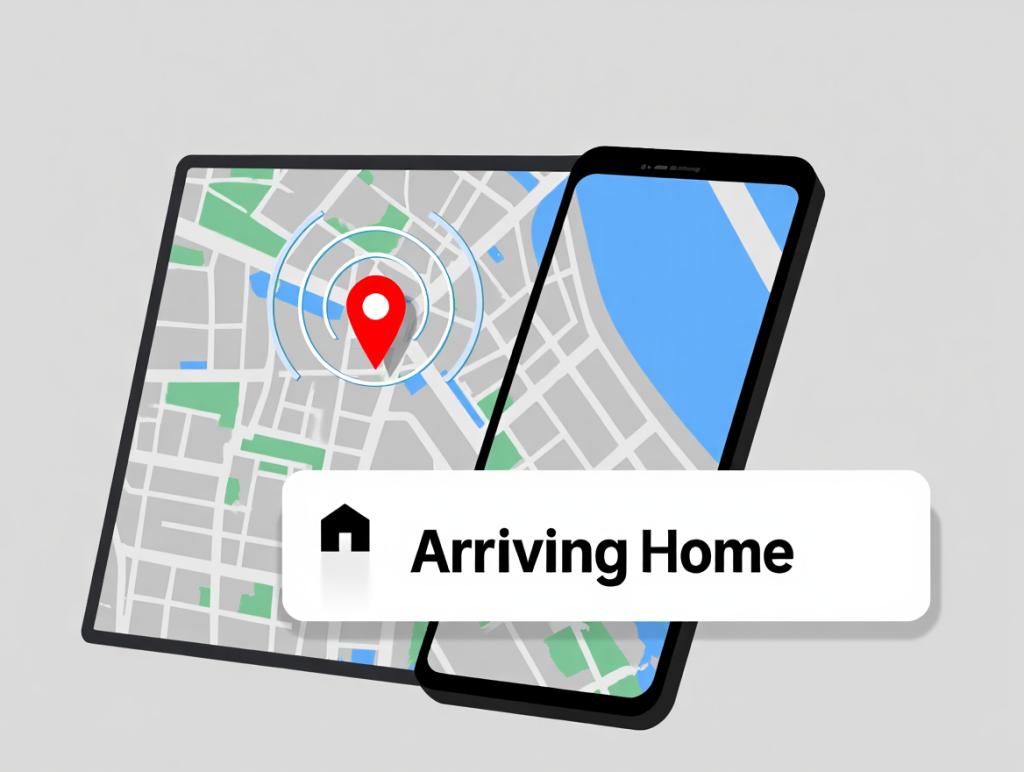
Time isn’t always the best trigger; sometimes place is better. Location-based alerts utilize GPS. A user can Add Reminders instructions such as “Remind me to buy eggs when I leave work” or “Remind me to take out the trash when I arrive home.”
This requires granting the app “Always Allow” location access. While some worry about privacy, the utility of context-aware prompts is unmatched for errands. This is often more effective than if you simply set a reminder on my phone for 5:00 PM.
Sharing Reminders with Others
Life is often a team sport. Shared lists allow households and teams to stay in sync.
- Grocery Lists: When a partner adds “Milk,” it appears on the other partner’s phone.
- Project Deadlines: Teams can add reminder calendar deadlines that notify everyone involved.
- Family Events: Grandparents can add reminder video messages for birthdays that appear on the family iPad.
- Household Chores: Roommates can set a reminder on my phone for cleaning schedules that sync to everyone.
Using these tools to add reminder calendar events for the whole group ensures no one claims they “didn’t know.” Furthermore, when you Add Reminders for the whole group, accountability increases.
FAQ
What is the difference between an alarm and a reminder?
Yes, there is a distinct difference. An alarm is strictly a time-based noise, usually for waking up or immediate alerts. A structured alert allows you to attach text, notes, images, or location triggers, providing context for the task.
Why do my reminders sometimes disappear without notifying me?
No, they usually don’t just vanish; they are likely suppressed. This often happens because of “Battery Saver” modes killing background processes or “Do Not Disturb” schedules that silence non-critical notifications during sleeping hours when you Add Reminders tasks.
Can I set a reminder for a specific location instead of a time?
Yes, most modern smartphones support this. When you Add Reminders details, look for a “Location” or arrow icon. You can set the trigger for “Arriving at” or “Departing from” a specific address.
Is it better to use voice commands or type my reminders?
It depends on the situation. Voice commands like “set a reminder on my phone” are better for capturing quick, fleeting thoughts while moving. Typing is better for complex tasks where you need to add details, sub-tasks, or attachments like when you add reminder video files.
How do I stop recurring reminders from cluttering my history?
You should mark them as “Completed” rather than deleting them if you want a record. However, most apps have a setting to “Hide Completed” items. If a recurring entry is no longer relevant, you must edit the series settings to delete future instances.
Conclusion
Mastering the ability to Add Reminders alerts to one’s daily routine is a transformative habit. It shifts the brain from a state of constant, low-level anxiety about forgetting things to a state of confident focus. Whether a user prefers to set a reminder on my phone via voice, add reminder calendar blocks for professional planning, or even add reminder video notes for detailed instruction, the technology exists to support every lifestyle.
The journey to an organized life does not happen overnight. It starts with a simple step: trusting the device in your pocket. Readers are encouraged to experiment with location-based triggers and shared lists this week. Test different apps, play with voice commands, and find the specific rhythm that quiets the mental noise. When you correctly add reminder calendar events, add reminder video clips, and set a reminder on my phone, you gain control. But most importantly, as you continue to Add Reminders to your system, you buy back your own peace of mind.
To help you get started immediately, I have prepared a comprehensive “Master Planning Checklist.” This document breaks down the setup process for both Android and iOS and includes a template for your weekly review. It is designed to be printed out or saved digitally to keep your new system on track.

Would you like me to quiz you on your current scheduling habits to suggest the best app for your specific needs?